.png?width=158&height=50&name=Logo-negative-background-horizontal%20block@4x%20(1).png "Logo-negative-background-horizontal block@4x (1)")
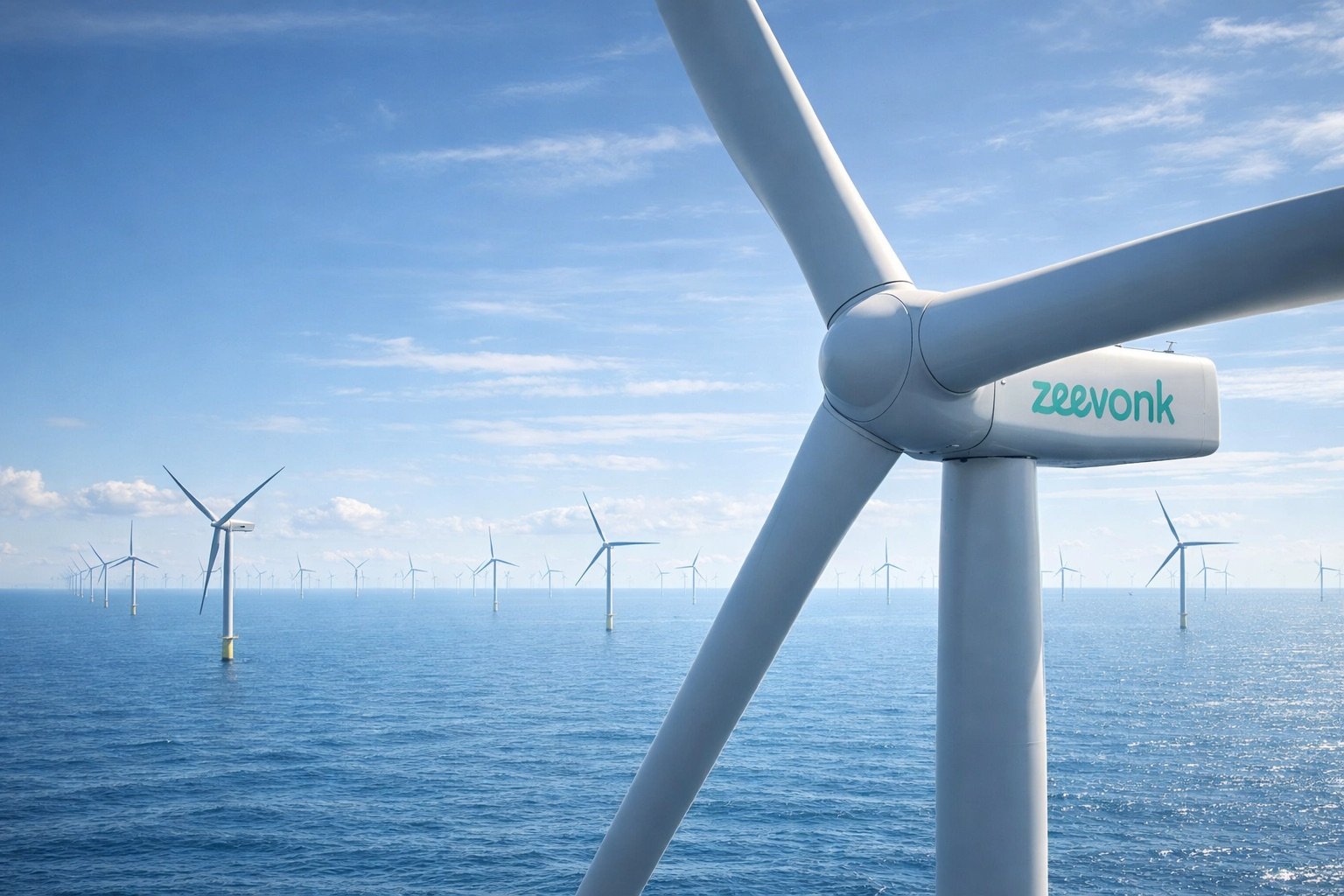
Offshore wind
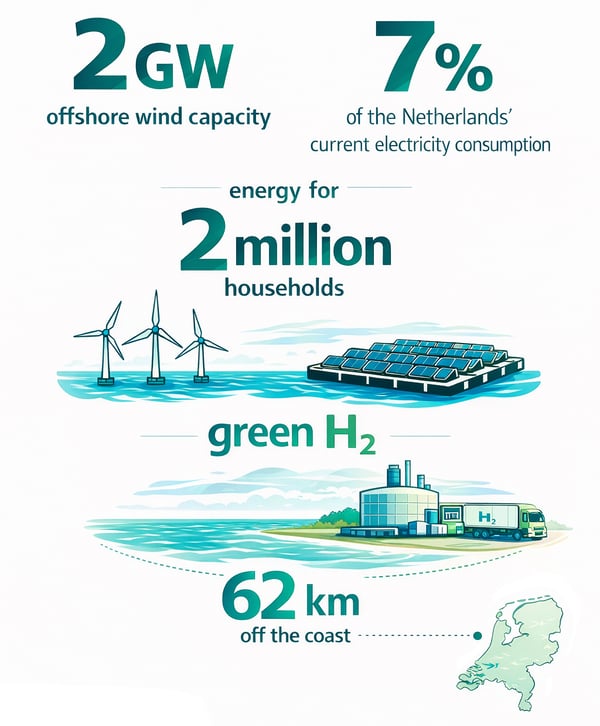
The foundation of Zeevonk. High-capacity offshore wind turbines at the IJmuiden Ver Beta site generate the majority of the renewable energy.
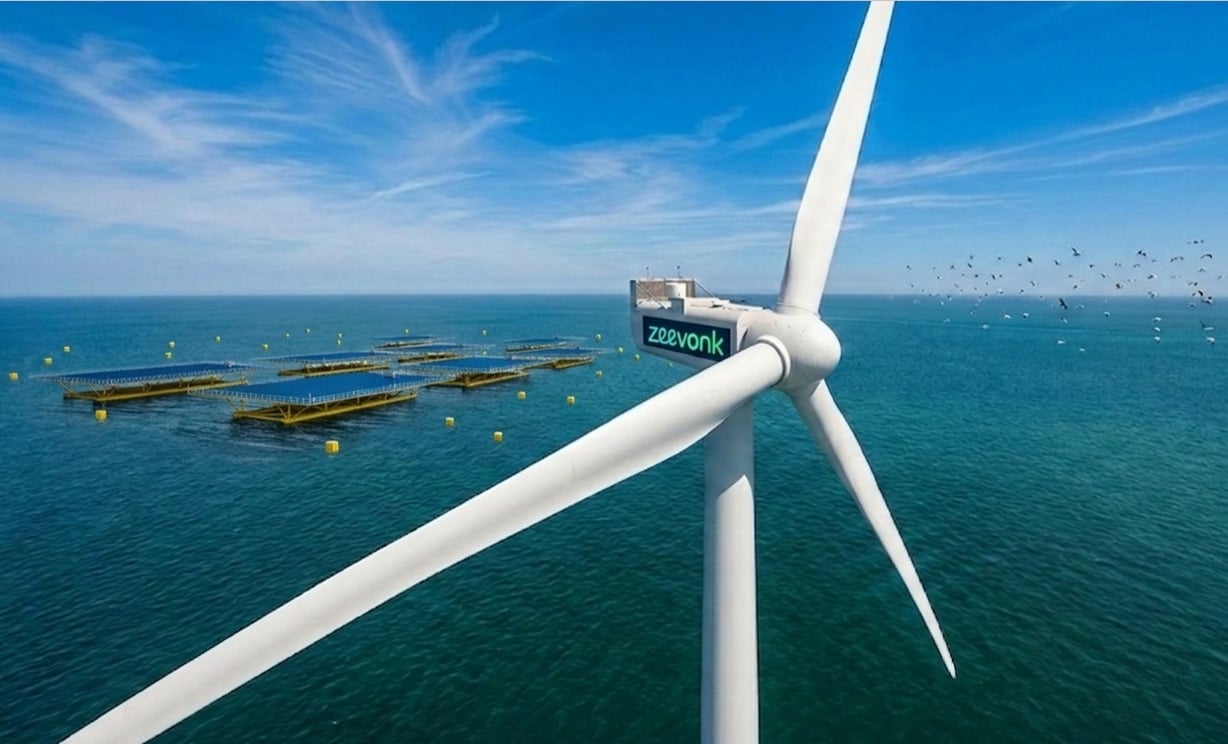
Floating solar
Innovation between the turbines. By installing floating solar panels, we also generate electricity during periods of low wind.
.png?width=1116&height=648&name=Zeevonk%20electrolyser%20%20(1).png)
Green hydrogen
Storage and transport. At the Maasvlakte in the Port of Rotterdam, we use an electrolyser to convert wind energy into hydrogen for use in industry and transport.
Permit
The permit has been granted and initial studies have started.

Design
The design has been completed and the first procurement processes have been carried out.
.png?width=1456&height=816&name=u9829646147_wide-angle_15mm_lens_closer_to_the_water_horizon__a914e633-1056-4877-a090-899d6b530607_1%20(1).png)
Construction
Offshore and onshore construction has started.
Operational
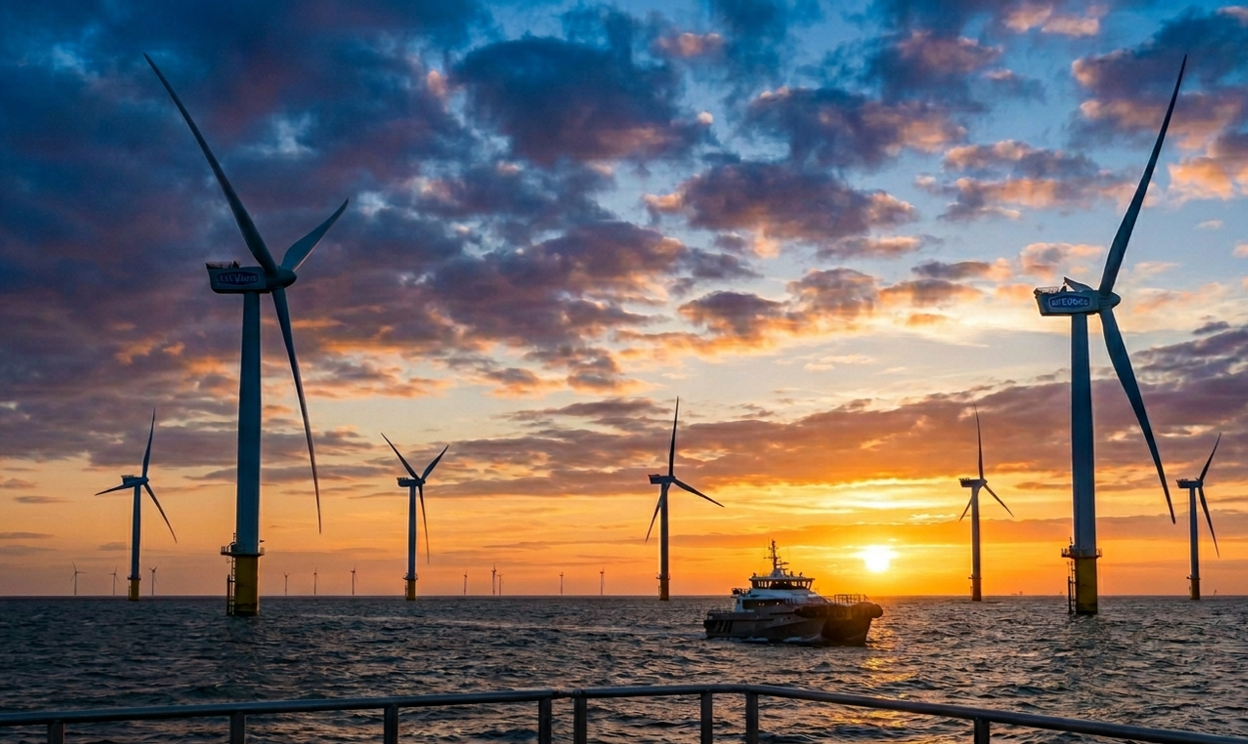
Zeevonk Phase 1 is operational and supplies renewable energy to the Netherlands and surrounding regions.
Phase 2 expansion
An additional 1 GW of offshore wind is delivered, completing the wind farm capacity.
System integration
Up to 500 MW of system integration capacity is deployed, including electrolyser infrastructure.

Vattenfall is an energy company with a strong presence in the Netherlands, where it supplies electricity and heat to households and businesses.
The company focuses on developing and operating renewable energy and combines production, infrastructure and customer supply. In projects such as Zeevonk, it works on integrating large-scale renewable generation into the Dutch energy system, supporting the shift away from fossil fuels.
Copenhagen Infrastructure Partners (CIP) is an investment manager specialising in large-scale renewable energy and energy infrastructure. The company develops and finances projects such as offshore wind, solar energy, energy storage and hydrogen production. In the Netherlands, it partners with Vattenfall on Zeevonk, contributing financial structuring and project development expertise to support the rollout of integrated energy systems.

“The energy transition is about more than just more renewable power. It’s about making sure supply and demand actually match up. That’s exactly what we’re doing at Zeevonk. We aren't just building another offshore wind farm. We’re creating a direct link between large-scale wind energy and hydrogen production. This allows us to turn peaks in renewable output into green hydrogen, taking the pressure off the grid. At the same time, we're helping industries and transport sectors that are hard to electrify finally decarbonize. It’s also crucial that supply and demand grow at the same pace. That’s why we’re building the 2 GW offshore wind farm capacity in two steps. Zeevonk strengthens our energy security by reducing dependence on imported fossil fuels and making better use of domestic renewable energy.”
Felix Würtenberger
CEO Zeevonk