.png?width=158&height=50&name=Logo-negative-background-horizontal%20block@4x%20(1).png "Logo-negative-background-horizontal block@4x (1)")

.png?width=1920&height=1080&name=magnific-dxa3QMWlc8eAMALH0v0t-Microsoft-teams-image-6-no-logo-(1).png)
Offshore Wind
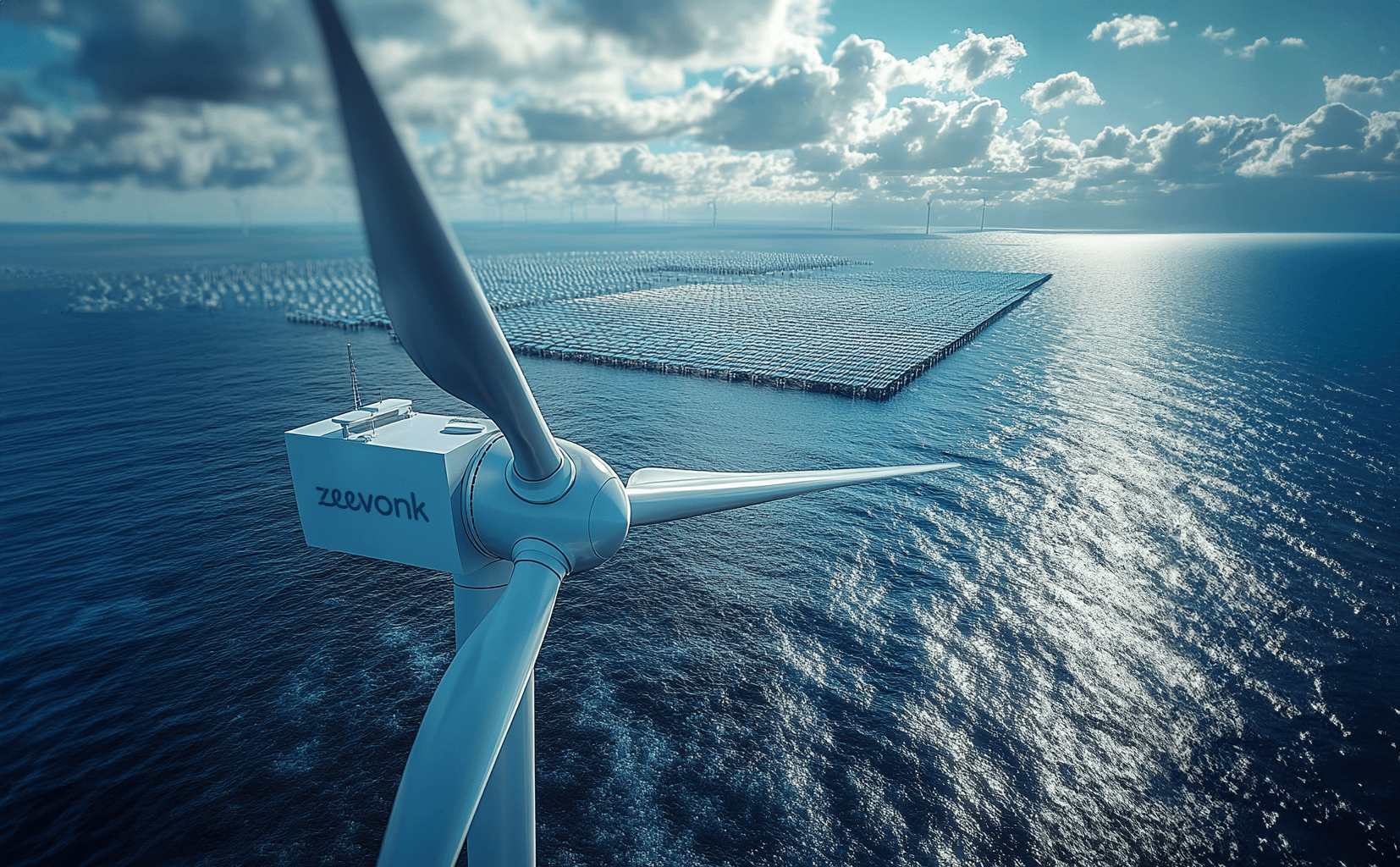
The foundation of Zeevonk. High-capacity offshore wind turbines at the IJmuiden Ver Beta site generate the majority of the renewable energy.
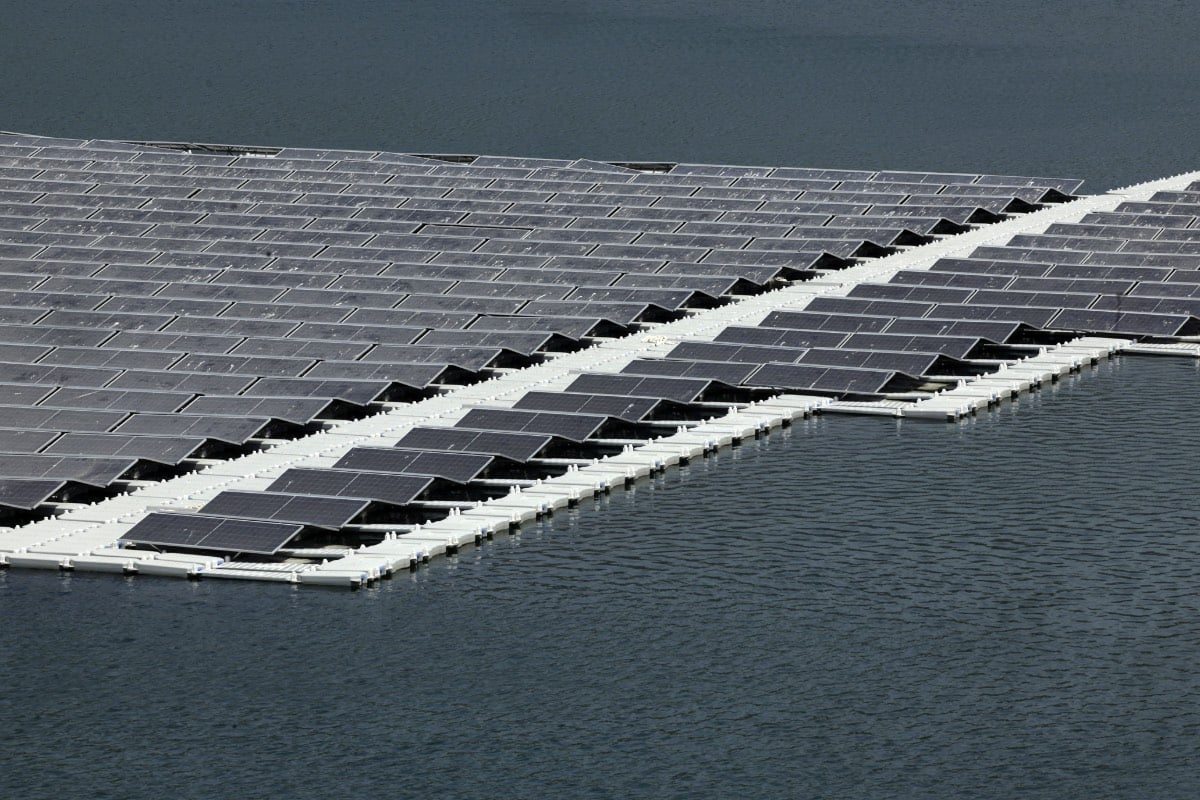
Floating solar
Innovation between the turbines. By installing floating solar panels, we also generate electricity during periods of low wind.
.png?width=1116&height=648&name=Zeevonk%20electrolyser%20%20(1).png)
Electrolysis & Green hydrogen
Storage and transport. At the Maasvlakte in the Port of Rotterdam, we use an electrolyser to convert wind energy into hydrogen for use in industry and transport.


2024
Vergunning
De vergunning was verleend en de eerste onderzoeken gestart.

2024
2025-2026
Ontwerp
Het ontwerp was opgeleverd en de eerste aanbestedingen uitgevoerd.
.png?width=1456&height=816&name=u9829646147_wide-angle_15mm_lens_closer_to_the_water_horizon__a914e633-1056-4877-a090-899d6b530607_1%20(1).png)
2025-2026
2027-2028
Bouw
De constructie op zee en land is gestart.
2027-2028
Eind 2029
Operationeel
Zeevonk is operationeel en levert duurzame energie naar Nederland en omstreken.
Eind 2029
“With Zeevonk, the Netherlands and Vattenfall, together with Copenhagen Infrastructure Partners, take a significant step forward in the energy transition. The project combines wind, solar and hydrogen to create an advanced and robust energy system that helps reduce CO₂ emissions from industry and society. We are proud to move into the construction phase and look forward to delivering the project.”
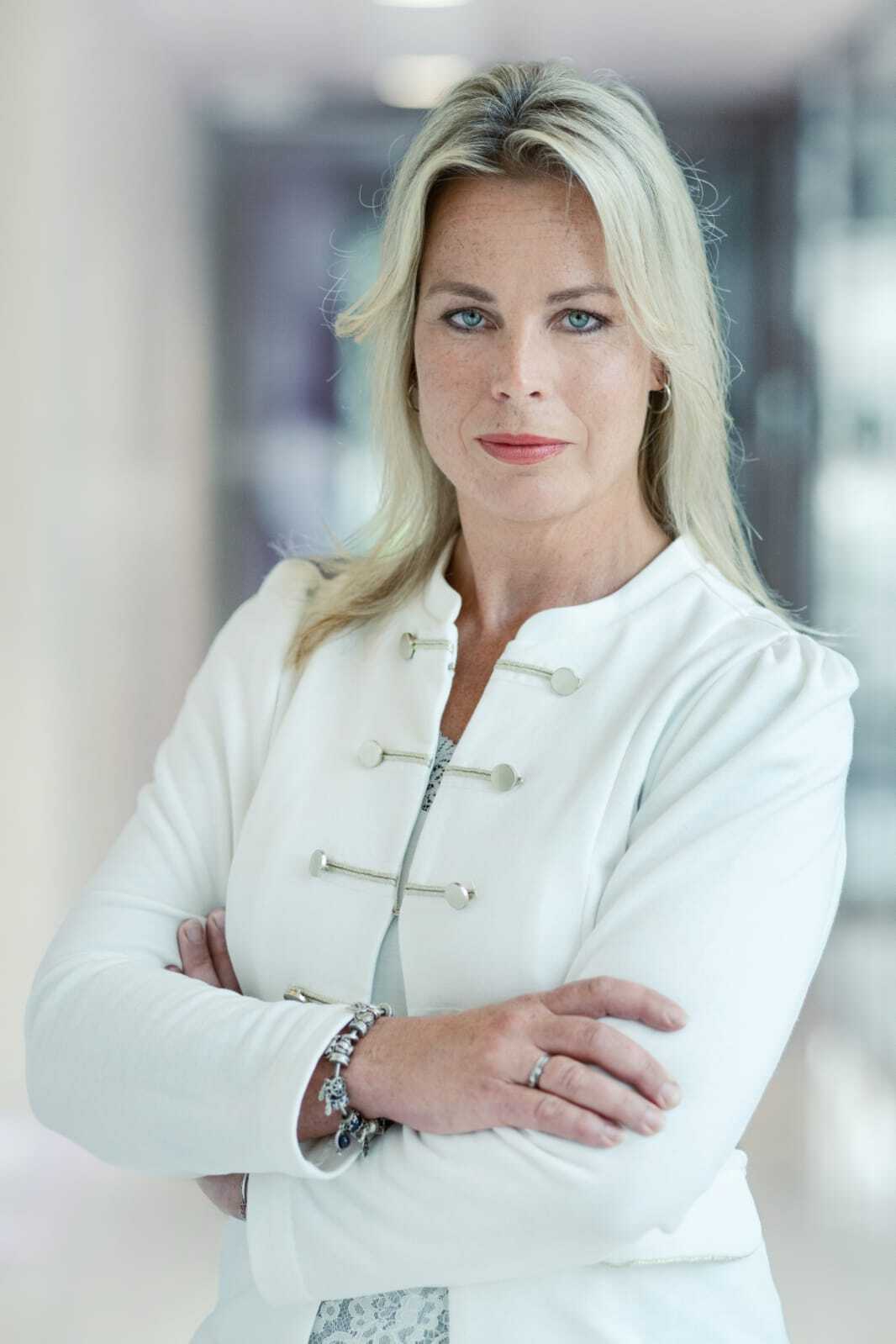
Cindy Kroon
CEO Vattenfall Nederland